
Fake Zelle and Venmo Screenshots at Pickup: How Sellers Get Scammed

Selling locally should be simple: agree on a price, meet nearby, hand over the item, get paid. The problem is that payment apps were not built for stranger-to-stranger pickup deals.
One of the most common seller scams is the fake “paid on Zelle” or “paid on Venmo” confirmation. The buyer acts confident, shows a screenshot, maybe even pressures you to check your email instead of your bank app. If you release the item before the money is truly verified, the item is gone.
How the fake payment screenshot scam works
The scam usually happens fast, right at pickup.
A buyer agrees to your price and meeting place. When they arrive, they say they sent the payment through Zelle, Venmo, Cash App, or another instant payment app. Then they show you one of these:
- A fake payment confirmation screenshot
- A doctored Venmo or Zelle receipt
- A phishing email that looks like it came from a payment provider
- A “pending” payment screen they claim will clear soon
- A fake “business account upgrade” email asking you to take extra steps
The goal is simple: make you feel like payment is already handled so you hand over the item.
Why screenshots are not proof of payment
A screenshot proves almost nothing. It can be edited in seconds. A buyer can fake a name, amount, timestamp, profile photo, and transaction status.
Even real-looking emails are risky. Scammers often send messages that imitate Zelle, Venmo, PayPal, or a bank. The email may say the funds are pending, delayed, or waiting for seller verification. That is usually a pressure tactic.
The only proof that matters is money confirmed inside your own trusted account or platform — not on the buyer’s phone.
Red flags at pickup
Be careful if the buyer:
- Says “I already paid” but the money is not visible to you
- Shows only a screenshot instead of waiting for confirmation
- Claims the app is delayed but the payment is guaranteed
- Sends a strange email about upgrading your account
- Rushes you because they are “late” or “double parked”
- Offers to pay more than asking price
- Wants the item before payment is fully verified
Pressure is part of the scam. A legitimate buyer should not need you to trust a screenshot.
The safer way: payment verified before the meetup
Lesto.me removes this problem by changing when and how payment happens.
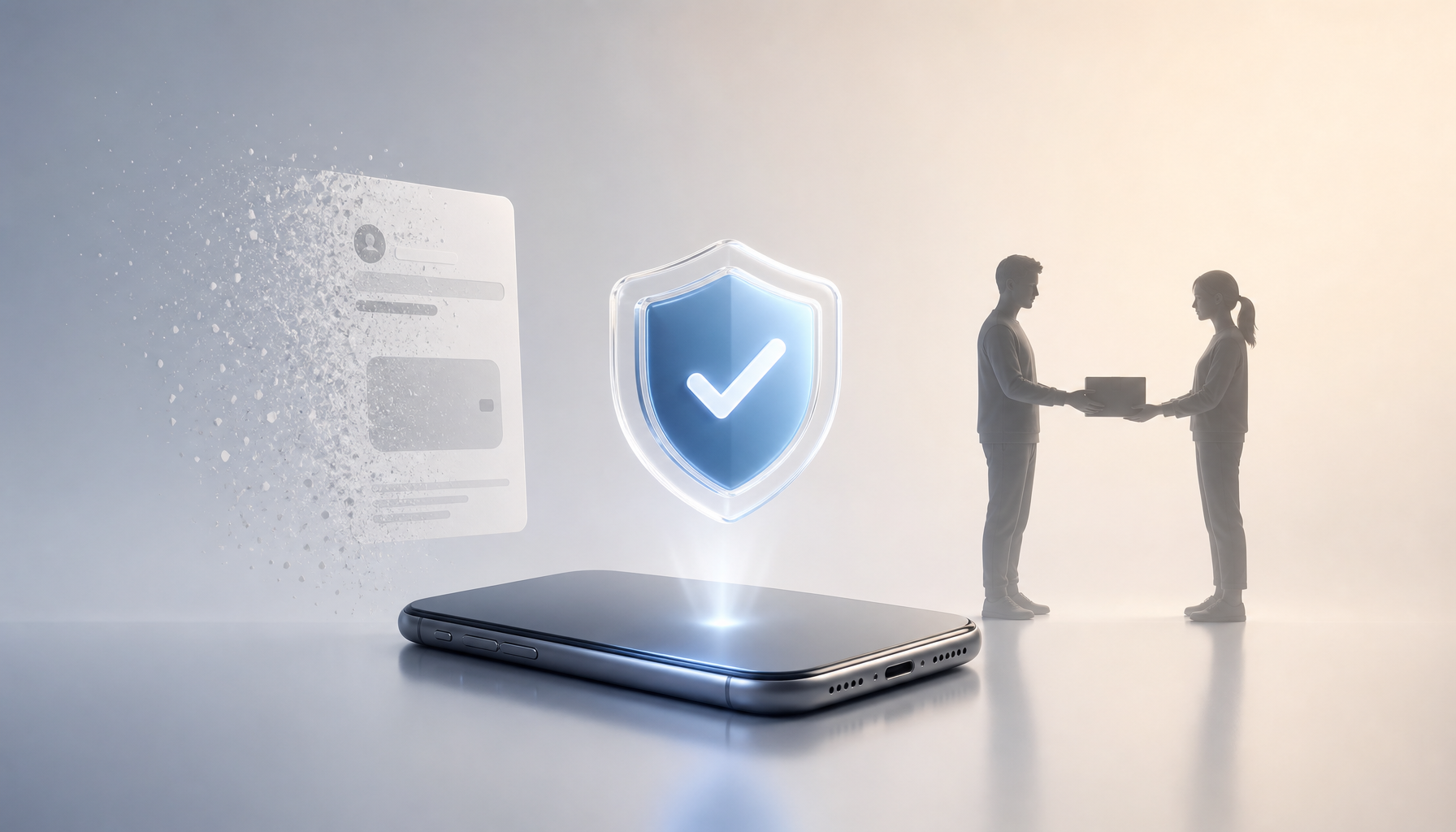
On Lesto, there is no cash, no Zelle, and no Venmo screenshot to inspect at the curb. Buyers pay by card through Stripe escrow before the meetup is scheduled. The payment is authorized and verified in the system, so the seller is not relying on a photo, email, or promise.
That matters because the risky part of local selling is usually the handoff moment. Lesto moves payment verification earlier, before anyone drives across town.
How Lesto protects sellers during pickup
Lesto is built for local, in-person resale, but with a structured transaction flow:
- The buyer places a card payment through Stripe escrow
- The agreed price is locked before the meetup
- Meetup details are handled inside the order flow
- The seller sees confirmation in the app, not from the buyer’s screenshot
- Both buyer and seller confirm the handover in the app
- Stripe releases funds to the seller only after both sides confirm
This keeps the deal local while removing the weakest parts of typical marketplace selling: fake payment proof, last-second renegotiation, and unclear handover status.
Bottom line for sellers
If a buyer says they paid, do not release the item based on what appears on their phone. Screenshots, forwarded emails, and “pending” messages are easy to fake.
For local sales, the cleanest rule is simple: payment should be verified before pickup, and handover should be confirmed by both sides. That is exactly the flow Lesto.me uses.
Ready for a safer, seamless resale experience? Try Lesto.me now.